


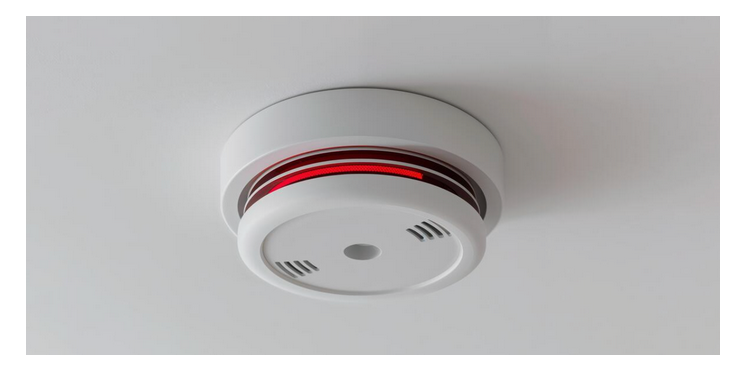
Hotels are designed to provide comfort, cleanliness, and a premium guest experience. However, one growing challenge in the hospitality industry is indoor vaping. Unlike traditional smoking, vaping leaves little odor and is harder to detect, making it more difficult for hotel staff to enforce no-smoking policies. To address this issue, many properties are now investing in hotel vape detector options to prevent indoor vaping issues.
These systems help hotels maintain air quality, reduce cleaning costs, protect room integrity, and ensure compliance with non-smoking rules. With advanced sensors and real-time alerts, vape detectors are becoming an essential part of modern hotel management systems.
What Are Hotel Vape Detectors?
Hotel vape detectors are smart monitoring devices designed to detect vaping activity inside guest rooms and shared areas. They work by analyzing air quality changes caused by vaping aerosols, including nicotine, THC, and other chemical particles.
Unlike traditional smoke alarms, vape detectors can identify:
- Nicotine vapor
- THC or cannabis aerosols
- Fine particulate matter (PM1.0–PM2.5)
- Volatile organic compounds (VOCs)
- Sudden environmental changes
These devices are specifically engineered for indoor environments where vaping needs to be controlled without disturbing guest privacy.
Modern systems are widely used in hospitality environments to ensure compliance with no-smoking and no-vaping policies while protecting hotel property.
Why Hotels Need Vape Detection Systems
- Protecting Guest Rooms
Vaping inside hotel rooms can lead to lingering odors, stained surfaces, and HVAC contamination. Vape detectors help identify incidents early, preventing long-term damage.
- Reducing Cleaning and Maintenance Costs
When vaping goes undetected, rooms often require deep cleaning or even temporary closure. Early detection reduces:
- Fabric and carpet damage
- HVAC system contamination
- Extra cleaning labor costs
- Room downtime
- Enforcing No-Smoking Policies
Many hotels enforce strict no-smoking and no-vaping policies. Vape detectors help ensure these rules are followed consistently across all rooms.
- Improving Guest Experience
Clean air and smoke-free environments improve guest satisfaction and increase positive reviews.
How Hotel Vape Detectors Work
Modern vape detection systems use advanced sensor technology and smart analytics to monitor indoor air quality continuously.
- Air Quality Sensors
These sensors detect changes in:
- Particulate matter levels
- Chemical composition of air
- Temperature and humidity
- Vape Signature Recognition
When vaping occurs, it produces a unique pattern of aerosols. The system identifies:
- Sudden spikes in PM2.5 levels
- Presence of nicotine-related compounds
- VOC concentration changes
- Real-Time Alerts
Once vaping is detected, alerts are sent immediately to:
- Hotel management systems
- Front desk staff
- Security teams
- Mobile devices or dashboards
- Incident Logging
Many systems record detailed data such as:
- Time of detection
- Room number or location
- Duration of activity
This helps hotels track repeated violations and take action when needed.
Types of Hotel Vape Detector Options
- Standalone Vape Detectors
These are independent devices installed in hotel rooms or bathrooms. They monitor air quality and trigger alerts when vaping is detected. Ai vape detector systems from Camelott use smart technology for precise vaping detection.
Best for: Small hotels or budget properties
- Smart Integrated Vape Detection Systems
These systems connect with hotel management software and provide centralized monitoring across multiple rooms.
Features include:
- Cloud-based dashboards
- Real-time alerts
- Multi-room monitoring
- Data analytics
Best for: Medium to large hotels
- AI-Powered Vape Detection Systems
Advanced systems use artificial intelligence to improve accuracy and reduce false alarms.
They can distinguish between:
- Vaping aerosols
- Cleaning chemicals
- Perfumes or deodorants
- Steam from bathrooms
AI-based systems continuously learn and adapt to hotel environments, improving performance over time.
- Multi-Sensor Environmental Monitors
These devices not only detect vaping but also monitor:
- Air quality
- Temperature
- Humidity
- Occupancy levels
Best for: Premium hotels focused on guest comfort and environmental control
Key Features of Hotel Vape Detectors
- High Sensitivity Detection
Modern detectors can identify even small traces of vapor, ensuring early intervention.
- Privacy-Friendly Design
Most systems do not use cameras or microphones, ensuring guest privacy is respected.
- Real-Time Notifications
Instant alerts allow hotel staff to respond quickly and minimize damage.
- Cloud Connectivity
Centralized monitoring helps hotel chains manage multiple properties from a single platform.
- Easy Installation
Many vape detectors are wireless and easy to install without major modifications.
Benefits for Hotels
- Reduced Property Damage
Early detection prevents long-term damage to rooms and furniture.
- Lower Operational Costs
Hotels save money on deep cleaning, maintenance, and room downtime.
- Improved Guest Compliance
Visible or known detection systems discourage guests from vaping indoors.
- Better Reputation
Clean, smoke-free environments lead to higher guest satisfaction and better online reviews.
- Efficient Staff Management
Automated alerts reduce the need for manual room inspections.
Common Installation Areas in Hotels
To ensure effective monitoring, vape detectors are typically installed in:
- Guest rooms
- Bathrooms
- Hallways
- Smoking-free zones
- Conference rooms
- Elevator lobbies
Strategic placement ensures maximum coverage and accurate detection.
Challenges in Hotel Vape Detection
- False Positives
Certain substances like cleaning sprays or perfumes may occasionally trigger alerts.
- Environmental Variability
Different room conditions can affect sensor sensitivity.
- Guest Privacy Concerns
Hotels must ensure devices do not invade guest privacy, which is why non-audio and non-visual sensors are preferred.
- Maintenance Requirements
Regular calibration and software updates are necessary to maintain accuracy.
Role of AI in Improving Accuracy
AI-powered vape detectors significantly reduce false alarms by analyzing multiple data points simultaneously. They learn from:
- Historical room data
- Environmental conditions
- Sensor patterns
This allows systems to differentiate between vaping and harmless environmental changes more effectively.
Future of Hotel Vape Detection Systems
The future of vape detection in hospitality is becoming more advanced with innovations such as:
- AI-driven predictive detection
- Smart room automation integration
- Cloud-based hotel safety dashboards
- Real-time behavioral analytics
- Multi-property monitoring systems
These technologies will make hotel operations more efficient, automated, and guest-friendly.
Final Thoughts
Hotel vape detector options to prevent indoor vaping issues are becoming an essential investment for modern hospitality businesses. With advanced sensors, AI-powered detection, and real-time alert systems, hotels can effectively protect their rooms, maintain air quality, and ensure guest satisfaction.
By adopting the right vape detection technology, hotels not only reduce operational costs but also enhance their reputation and compliance with no-smoking policies. As vaping continues to evolve, smart detection systems will play a key role in maintaining clean, safe, and comfortable indoor environments for all guests.
